
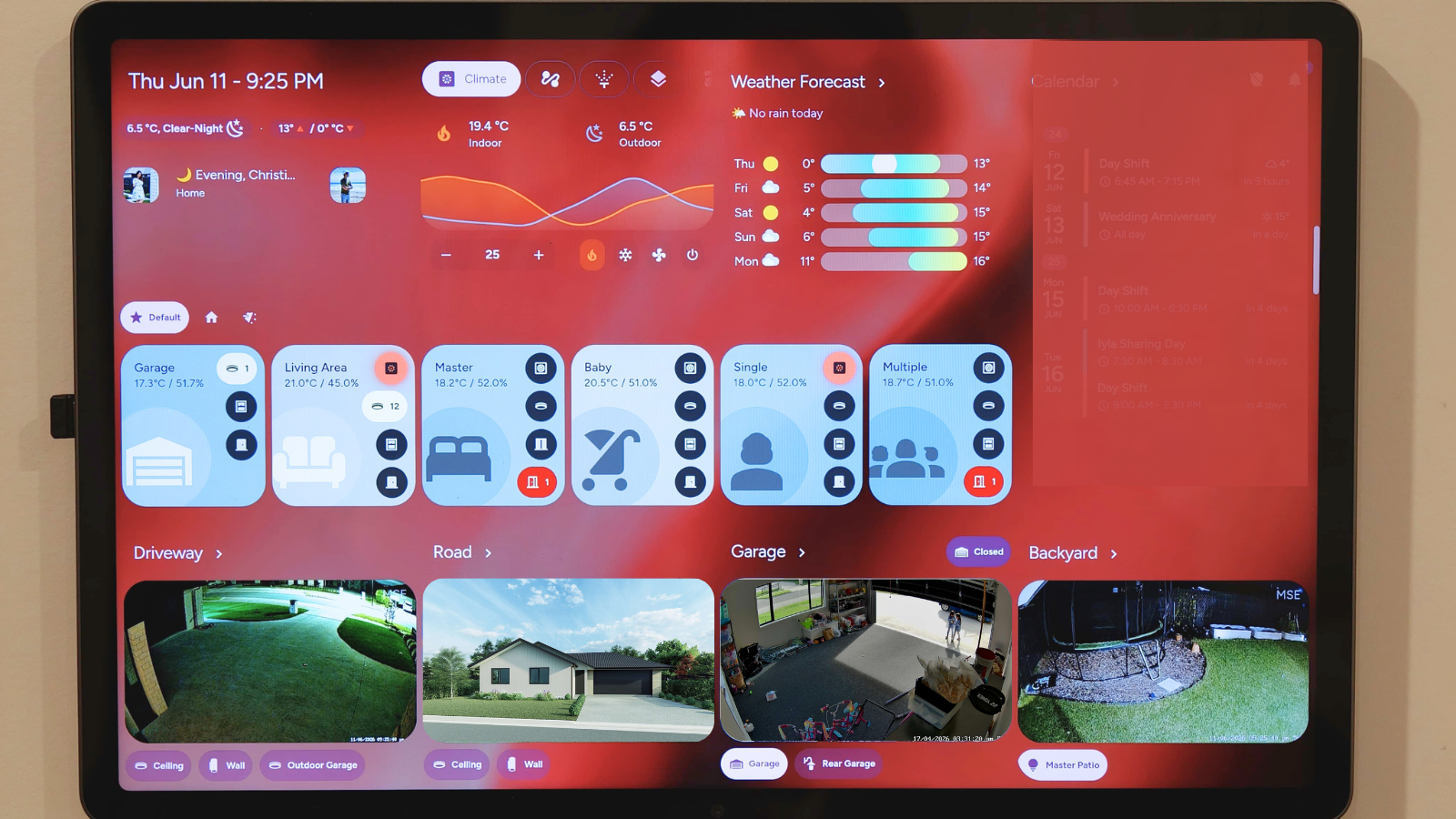
One of the most common things we hear from homeowners around Waikato is this: “I want to do something with smart home, but I don’t know where to start or what to choose.”
It’s a fair question. There are a lot of systems out there, and most of them look pretty good on the surface. The issues tend to show up later.
We built ElementZoom around a platform called Home Assistant, and we think it’s worth explaining why we chose it over everything else.
What most smart home systems don’t tell you upfront
Most systems work the same basic way. You buy the hardware, download an app, and your home connects to the company’s cloud servers. Everything runs through them.
That works fine, right up until it doesn’t.
A lot of systems that started out free have since moved to monthly or yearly subscription plans. Features that used to be included now sit behind a paywall. Remote access, camera storage, automation history. The hardware in your home hasn’t changed. The bill has.
Some systems also stop working when your internet drops. Because they rely on cloud servers to process commands, a bad connection means your lights and locks go unresponsive. For homes in rural Waikato where the connection isn’t always reliable, that’s a genuine issue.
Then there’s the question of what happens if the company changes direction, gets bought out, or simply discontinues the product. It’s happened before in this industry. Devices people paid good money for became useless when the app behind them was shut down. No warning, no replacement, just an email and a dead system.
And with some of the higher-end systems, you can’t even make changes yourself. Adding a new device or adjusting how something works means calling a certified dealer and paying for a callout. It’s your home, but you’re not really in charge of it.
Why we use Home Assistant
Home Assistant is software that runs on a small device inside your home. It doesn’t need to connect to anyone’s servers to work. Everything happens locally, on your own network.
That means your automations, lights, locks and sensors keep working even when the internet is down.
There are no monthly fees. You pay for the hardware once and the software is free. No subscriptions, no tiers, nothing that gets switched off if you stop paying.
You’re also not locked into one brand. Home Assistant works with thousands of devices across a wide range of manufacturers, so if you want to mix and match, that’s fine.
If you want to make changes yourself down the track, you can. If you’d rather we handle it, we can do that too. Either way, the system stays yours.
About Home Assistant
Home Assistant is an open-source smart home platform that was started in 2013 by developer Paulus Schoutens. It is now used by more than 500,000 homes worldwide and is one of the most active open-source projects on GitHub.
The platform supports over 3,000 integrations — meaning it works with a very wide range of devices and brands out of the box. It is maintained by a company called Nabu Casa, but the core software remains free and open source. No single company owns it or can shut it down.
We didn’t build Home Assistant. We chose it because we believe it’s the most reliable and honest foundation for a smart home system — and the numbers back that up.
Where to start
If you’re not sure where to begin, that’s genuinely fine. Most people aren’t. Smart home can feel like a big commitment when you don’t know what you’re getting into.
We work with homeowners across Morrinsville, Hamilton and the wider Waikato region. We’re happy to have a straightforward conversation about what would actually make sense for your home, before you spend anything.
Feel free to reach out to us on WhatsApp and we’ll go from there.
Leave a Reply